Arizona heat does more than make your home harder to cool. When outdoor temperatures climb past 110 degrees Fahrenheit, your plumbing system can take on extra stress from hot soil, expanding materials, heavy water use, and fixtures exposed to direct sun. At AZ Family Plumbing, in Glendale, AZ, we help homeowners protect their plumbing through the harshest parts of the Phoenix summer. If your water bill rises, drains start smelling strange, or outdoor fixtures begin acting up, heat may be part of the problem.
Heat Can Make Pipes Expand and Shift
Pipes respond to temperature changes, even when they are tucked behind walls, under slabs, or below the yard. During a long Phoenix heat wave, the materials around those pipes can get extremely hot. Soil dries out. Concrete holds heat. Exterior walls and attic spaces can become brutal during the afternoon. Those conditions can cause pipes to expand, contract, or shift against nearby materials.
A little movement may not cause trouble right away. The risk grows when pipes are older, already stressed, or connected to fittings that have weakened. Small leaks can start at joints, elbows, or connection points where the pipe has less room to move. In slab homes, dry soil can also shrink and shift around the foundation, which can stress water lines below the concrete. If you notice warm spots on the flooring, unexplained water use, or low pressure at several fixtures, the system may need a closer look before a small leak turns into damage.
Slab Leaks Can Become More Likely During Hot, Dry Weather
Slab leaks are a serious concern in hot, dry climates because the ground beneath the home does not always stay stable. When soil dries out, it can pull away from parts of the foundation. Then, summer storms or irrigation overspray may add moisture back unevenly. That cycle can create movement around buried plumbing lines. A water line under the slab may already have age-related wear, corrosion, or weak spots. Heat and shifting soil can make those weaknesses show up faster.
Slab leak signs are not always dramatic at first. You may hear water running when no fixture is on. A floor may feel unusually warm if the leak is on a hot water line. Your water bill may climb even though your habits have not changed. Some homeowners notice damp flooring, swollen baseboards, or a musty smell in a room.
Outdoor Fixtures Take Direct Abuse From the Sun
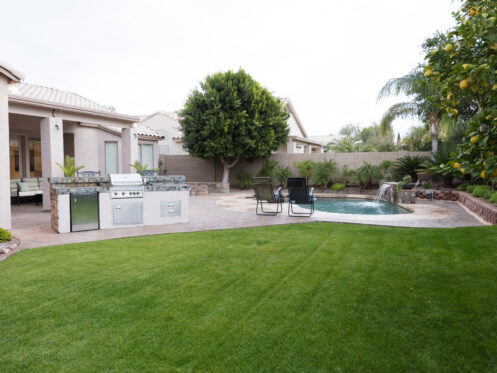
Outdoor plumbing has a rough job in the Arizona summer. Hose bibs, irrigation valves, exposed supply lines, pool fill lines, and outdoor kitchen plumbing are often exposed to direct sunlight for hours. Heat can dry out washers, gaskets, seals, and plastic parts. Fixtures may become harder to turn. Hose connections can start dripping. Irrigation boxes may stay hot enough to stress valves and fittings before you notice any visible damage.
A slow drip at an outdoor faucet may not seem urgent, but constant summer use can add up and raise the bill. Irrigation leaks can be even harder to spot because the water blends into normal landscape watering. If one part of the yard stays wet, one irrigation zone loses pressure, or a valve box looks damp between cycles, the problem may be more than a sprinkler setting. Extreme heat makes outdoor plumbing parts age faster, especially when they are already exposed to sun, pressure, and daily use.
Water Heaters Can Work Harder Than You Expect
Water heaters often sit in garages, utility rooms, or outdoor closets that get very hot during summer. High ambient temperatures can stress components, wiring, seals, and surrounding plumbing connections. If the unit is older or has sediment buildup, summer conditions can make existing problems more noticeable.
You may notice popping sounds, inconsistent hot water, water around the base, or a relief valve that discharges. Hot garages can also make it harder to spot appliance trouble because the whole space already feels uncomfortable. Water heater problems need attention because leaks can damage nearby flooring, walls, storage items, and electrical components. If the unit is aging, showing rust, or making new sounds, summer is not the time to ignore those signs.
Sewer Odors Can Get Stronger in Extreme Heat
Heat can make plumbing odors more noticeable. A dry drain trap, slow sewer venting, or buildup inside a drain line may smell much worse when temperatures rise. In bathrooms, laundry rooms, and floor drains that are not used often, water inside the trap can evaporate faster during hot weather. Once that water barrier is gone, sewer gases can move into the room.
Odors can also come from outdoor cleanouts, sewer lines, or drains affected by heavy summer use. If the smell appears near one drain, the issue may be local. If several drains smell bad or you hear gurgling along with the odor, the problem may sit deeper in the system. Heat does not always cause plumbing issues, but it can make an existing drain, vent, or sewer problem harder to ignore.
Higher Water Bills May Point to Hidden Summer Problems
Water use rises during summer, so a higher bill is not always surprising. If your irrigation schedule has not changed, guests have not been staying with you, and your indoor use feels normal, a rising bill may indicate a leak.
Outdoor leaks, slab leaks, running toilets, irrigation valve problems, and dripping hose bibs can all add steady waste. A leak that runs all day under a slab or in an irrigation line can waste far more water than a visible drip under a sink. Watch for soggy soil, unexplained green patches, water meter movement when fixtures are off, or pressure changes at multiple fixtures.
Protecting Plumbing During a 110-Degree Summer
Summer plumbing protection starts with noticing small changes early. Outdoor faucets should shut off cleanly. Irrigation zones should run with steady pressure. Drains should not smell stronger after hot afternoons. Water heaters should not leak, pop, or show rust around the base.
It also helps to keep exposed plumbing out of direct sun where possible, repair outdoor leaks quickly, and avoid ignoring pressure changes. If you have older plumbing, a history of slab leaks, or repeated irrigation problems, professional service before the worst heat arrives can save a lot of trouble. A plumber can check visible pipes, outdoor fixtures, water heater condition, irrigation connections, and signs of hidden leaks.
Stay Ahead of Summer Plumbing Stress
Extreme heat can be hard on pipes, fixtures, water heaters, drains, and outdoor plumbing. A small leak, odd smell, pressure change, or unexplained water bill increase may be the first sign that summer conditions are stressing the system. AZ Family Plumbing helps with leak detection, water heater service, pipe repairs, drain concerns, and outdoor plumbing issues tied to hot-weather wear. Call AZ Family Plumbing if you want your plumbing checked before Phoenix heat turns a small warning sign into a costly repair.