When Arizona temperatures rise, your irrigation system works harder than almost any other part of your home’s plumbing system. Heat and long sunny days dry the soil and place extra demand on pipes, valves, and sprinkler heads. A system that worked well in spring can struggle once summer conditions arrive. At AZ Family Plumbing in Glendale, AZ, we help homeowners keep irrigation systems operating reliably with timely plumbing repair.
Start With Coverage, Not Just the Timer
One of the most common mistakes with irrigation is assuming that just because it turns on, it’s ready to handle summer’s heat. Successful watering goes beyond just a working timer. You must make sure sufficient water is landing where it should. Before the hottest stretch arrives, pay attention to how each zone performs.
A spray head might emit water but still miss half the root area because it has shifted or clogged. Pressure issues might prevent the spray from reaching the intended area, especially near the end of the line. You’ll also need to check drip lines. If the hose shifts, it might miss the plants that need water entirely. Additionally, the lines can crack or rot, or the emitter can clog. These issues become more pronounced in extreme heat because the margin for error narrows. A plant that misses doesn’t get enough water for a few mild spring days may recover. However, if the same plant doesn’t get sufficient water for a few days during a heat wave, it could die.
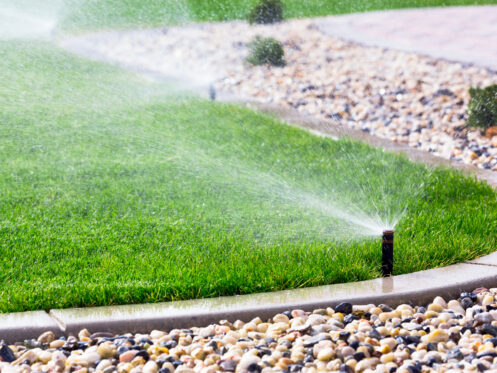
Before the first heat wave, walk the yard while the system runs. Watch whether water lands in the planting bed or sprays onto gravel, fencing, or hardscape. Notice whether one section puddles while another stays dusty. This isn’t a one-and-done inspection. Make this a regular maintenance task throughout the irrigation season.
Check for Pressure Problems Before They Waste Water
Irrigation systems depend on steady pressure. High pressure often creates a mist that dissipates before it ever reaches the soil. It can also cause the water to overshoot the mark, leaving root zones dry. Low pressure creates a different set of problems. Heads may sputter, dribble, spray short, or fail to overlap properly. This leaves dry gaps that become more obvious once the ground starts heating up every day. Any of these problems will waste water and become more noticeable when outdoor conditions get hotter and drier.
Pressure issues can come from worn regulators, damaged valves, leaks, or zone design problems. They can also show up when one repair changes the system balance without correcting the rest of the line. Drippers and spray heads should deliver the same amount of water at the end of the line as they do next to the spigot. If this isn’t the case, you need to investigate and correct the problem. Consistent pressure across each zone helps the entire system water more evenly. This becomes critical when summer puts every plant and pipe under more strain.
Don’t Overlook Drip Lines Hidden Under Mulch or Rock
Drip irrigation often gets less attention because so much of it stays out of sight. Tubing hidden under mulch, gravel, or decorative rock can split, clog, or disconnect without you noticing. By the time a plant starts yellowing or drying out, the problem may have been building for weeks.
Heat puts extra stress on drip components because exposed hose sections can harden, connectors can loosen, and emitters can clog with mineral buildup. A single failed emitter may not seem like much until it affects a tree, shrub, or bed that depends on slow, steady moisture. Unlike a broken spray head, a drip issue does not always announce itself with a visible spray pattern. Sometimes the only clue is one plant struggling while the rest of the zone looks fine.
Valve Boxes and Connections Need a Closer Look
Many homeowners focus on heads, emitters, and timers because those are easier to see. Valves and underground connections deserve the same level of attention. A valve box can collect dirt, roots, insects, and moisture over time. If a valve starts sticking or wiring connections corrode, the zone may not open or close the way it should.
This can create confusing symptoms. A zone may run weakly. Another may keep dripping after the shutoff. One area may not activate at all, even though the controller looks normal. In some cases, the system may seem inconsistent from day to day, making it easy to blame the problem on the weather rather than the hardware. Underground leaks at fittings or valves can also waste a surprising amount of water before you notice surface evidence.
Controller Settings From Spring May Not Work in Peak Heat
Irrigation settings that made sense a month before may not be sufficient in June or July. Seasonal transitions matter because the conditions change fast once the heat settles in. Soil dries more quickly, plants use water differently, and sunlight reaches areas that stayed shaded earlier in the year. It’s common to need more frequent watering when temperatures rise. Timing matters, too. You may need to adjust the timing to earlier in the morning or later in the evening. Watering at the wrong time can increase evaporation and reduce the amount of moisture that reaches the soil.
Preparing for hot weather means looking at how each zone should run rather than assuming one setting works for the entire yard. A good summer schedule matches the irrigation type, the planting area, and the rate at which the soil dries out. When settings remain set for cooler weather, the system may still run, but not deliver water to the right places at the right time.
Small Leaks Become Bigger Problems in Summer
A small irrigation leak can seem minor during a cooler stretch. During hot weather, it becomes much more expensive. Extra runtime means more wasted water, increased system pressure, and more damage to nearby soil or hardscaping. What starts as a slow seep at a fitting can turn into erosion, soft ground, or shifting around root zones and walkways.
Some leaks show up clearly, like water spraying from a section of hose or a constant drip from a broken riser. Others are more subtle. You may notice a patch of the landscape that stays damp after the rest has dried out. You may see one area of gravel sinking slightly or a small washout near the edge of a planting bed. These are not harmless quirks. They often point to water escaping below the surface and not reaching your plant.
Keep Your Landscape Hydrated Through the Hottest Months
Arizona summers place a significant demand on outdoor irrigation systems. When temperatures rise and soil dries quickly, your irrigation system needs to operate efficiently to keep plants healthy without wasting water. At AZ Family Plumbing, we work with plumbing systems in Glendale and throughout the Salt River Valley. We offer 24/7 emergency plumbing repair along with outdoor plumbing, leak detection, and other services that protect your entire property. If your plumbing needs help, call us to schedule an appointment.